
Black Americans Are Not Hyphenated Citizens

By Kendall Qualls
As we celebrate the 250th anniversary of the United States, we need to confront two questions that make liberals and the Left uncomfortable: What does it truly mean to be an American, and why have black Americans been discouraged from fully embracing that identity?
For generations, black Americans understood themselves plainly. They were Americans. Their struggle was not to separate from the nation, but to claim it. The Civil Rights Movement did not reject America; it appealed to its founding principles and demanded that the nation live up to the promises made in the Constitution and first articulated in the Declaration of Independence.
Martin Luther King Jr. captured this vision when he spoke of a nation where his children would be judged not by the color of their skin, but by the content of their character. That dream assumed character would be formed within families and reinforced by faith, discipline, and responsibility. Strong families were not secondary to progress; they were essential to it.
The previous generations that were not indoctrinated by the post-1960s radical leftist agenda make one thing clear: black Americans did not endure hardship because they rejected America. They endured it because they believed in it strongly enough to demand better.
Over time, however, the story shifted.
In the late twentieth century, black Americans were increasingly encouraged to adopt a hyphenated identity rather than simply being American. This change did not arise organically from lived experience or historical necessity. It was advanced by political activists who emphasized global racial identity over national allegiance.
But what exactly is an “African American”? Africa is not a nation. It is a continent of 54 countries, many of which have been divided by centuries of bloody conflict.
For most black Americans, Africa is not a place they can trace lineage to or claim citizenship in. Their ancestors were born here, labored here, fought here, and helped build this country. Rooting identity in a continent rather than in the Constitution detached black Americans from an American birthright earned through generations of sacrifice.
Hyphenating identity did not elevate black Americans. It weakened citizenship and diluted historical birthrights.
Citizenship implies ownership and responsibility. It declares, “This country is yours, and you are part of this country.” When identity becomes abstract rather than national, accountability erodes. When people are taught to see America as something separate from themselves, the incentive to build and protect institutions—family, marriage, faith, businesses, and community—declines.
This shift has had consequences.
As leftist identity politics expanded, family stability declined. Father absence increased. Faith receded. Dependency on government and political leaders replaced self-determination. What once happened inside the home—character formation and moral grounding—was increasingly outsourced to systems that could never replace it.
The results are visible across the country: generational poverty, struggling schools, unsafe neighborhoods, and cycles of incarceration. These are not merely economic failures; they have become embedded in a generational culture—and it was intentional.
A people taught that they do not fully belong will eventually stop acting as though they do. They may come to oppose the very nation that offers greater opportunity for freedom, wealth, and security than any other country in the world, including those on the African continent.
American history is complex. Slavery was real and evil, and it must never be minimized. But black Americans were never outsiders to the American project. They were participants from the beginning, serving, building, and sacrificing for a country they claimed as their own.
The Black History Month that ended a few days ago should not reinforce separation or grievance. It should remind black Americans of their deep roots in this nation and their rightful claim to its future.
There is nothing empowering about surrendering an American birthright for a global identity with no legal or historical grounding. There is nothing liberating about teaching children that the country they were born into is not truly theirs.
Black Americans are not guests in this nation. They are not hyphenated citizens. They are Americans, by birthright, by sacrifice, and by contribution.
As the nation approaches its 250th anniversary, Black History Month should be a moment of reclamation: of citizenship, responsibility, faith, family, and confidence in the American promise.
Progress has never been given; it has always been built. And it always begins at home.
As we celebrate the 250th anniversary of the United States, we need to confront two questions that make liberals and the Left uncomfortable: What does it truly mean to be an American, and why have black Americans been discouraged from fully embracing that identity?
For generations, black Americans understood themselves plainly. They were Americans. Their struggle was not to separate from the nation, but to claim it. The Civil Rights Movement did not reject America; it appealed to its founding principles and demanded that the nation live up to the promises made in the Constitution and first articulated in the Declaration of Independence.
Martin Luther King Jr. captured this vision when he spoke of a nation where his children would be judged not by the color of their skin, but by the content of their character. That dream assumed character would be formed within families and reinforced by faith, discipline, and responsibility. Strong families were not secondary to progress; they were essential to it.
The previous generations that were not indoctrinated by the post-1960s radical leftist agenda make one thing clear: black Americans did not endure hardship because they rejected America. They endured it because they believed in it strongly enough to demand better.
Over time, however, the story shifted.
In the late twentieth century, black Americans were increasingly encouraged to adopt a hyphenated identity rather than simply being American. This change did not arise organically from lived experience or historical necessity. It was advanced by political activists who emphasized global racial identity over national allegiance.
But what exactly is an “African American”? Africa is not a nation. It is a continent of 54 countries, many of which have been divided by centuries of bloody conflict.
For most black Americans, Africa is not a place they can trace lineage to or claim citizenship in. Their ancestors were born here, labored here, fought here, and helped build this country. Rooting identity in a continent rather than in the Constitution detached black Americans from an American birthright earned through generations of sacrifice.
Hyphenating identity did not elevate black Americans. It weakened citizenship and diluted historical birthrights.
Citizenship implies ownership and responsibility. It declares, “This country is yours, and you are part of this country.” When identity becomes abstract rather than national, accountability erodes. When people are taught to see America as something separate from themselves, the incentive to build and protect institutions—family, marriage, faith, businesses, and community—declines.
This shift has had consequences.
As leftist identity politics expanded, family stability declined. Father absence increased. Faith receded. Dependency on government and political leaders replaced self-determination. What once happened inside the home—character formation and moral grounding—was increasingly outsourced to systems that could never replace it.
The results are visible across the country: generational poverty, struggling schools, unsafe neighborhoods, and cycles of incarceration. These are not merely economic failures; they have become embedded in a generational culture—and it was intentional.
A people taught that they do not fully belong will eventually stop acting as though they do. They may come to oppose the very nation that offers greater opportunity for freedom, wealth, and security than any other country in the world, including those on the African continent.
American history is complex. Slavery was real and evil, and it must never be minimized. But black Americans were never outsiders to the American project. They were participants from the beginning, serving, building, and sacrificing for a country they claimed as their own.
The Black History Month that ended a few days ago should not reinforce separation or grievance. It should remind black Americans of their deep roots in this nation and their rightful claim to its future.
There is nothing empowering about surrendering an American birthright for a global identity with no legal or historical grounding. There is nothing liberating about teaching children that the country they were born into is not truly theirs.
Black Americans are not guests in this nation. They are not hyphenated citizens. They are Americans, by birthright, by sacrifice, and by contribution.
As the nation approaches its 250th anniversary, Black History Month should be a moment of reclamation: of citizenship, responsibility, faith, family, and confidence in the American promise.
Progress has never been given; it has always been built. And it always begins at home.
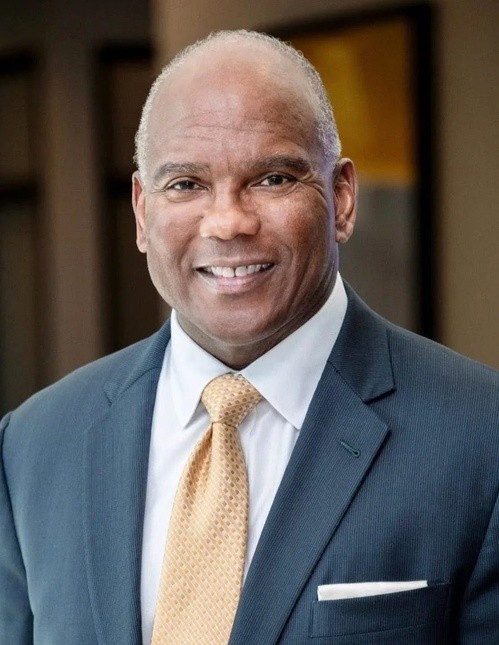
Kendall Qualls is an Army Veteran, retired executive from the healthcare industry and candidate for Governor of Minnesota. He also serves on the Board of Trustees at Crown College and Board of Advisors for the National Medal of Honor Leadership Center. He is the founder of Take Charge, which promotes strong families, education, and free enterprise as the means to prosperity.
Mr. Qualls has authored a book, The Prodigal Project: Hope for American Families. His message has reached millions of people as a speaker and through his articles published in the New York Post, Washington Examiner, The Washington Times, The Federalist, Real Clear Politics, The Christian Post, and the Minneapolis Star Tribune. His previous articles in the Journal of FBT include “The Scandal Hidden in Plain Sight,” “Resurrect the Family,” “A Movement for Revival and Restoration,” “Amazing Grace,” “The Cincinnati Beat-Down,” “Charlie Kirk’s Message Transcended Ethnic and Political Boundaries,” and “We Must Return to the Classical Black American Tradition.” He has appeared on the FBT Podcast with host Connie Morgan in an episode titled “Bucking the Narrative.” A previous version of this article appeared here.
Mr. Qualls has authored a book, The Prodigal Project: Hope for American Families. His message has reached millions of people as a speaker and through his articles published in the New York Post, Washington Examiner, The Washington Times, The Federalist, Real Clear Politics, The Christian Post, and the Minneapolis Star Tribune. His previous articles in the Journal of FBT include “The Scandal Hidden in Plain Sight,” “Resurrect the Family,” “A Movement for Revival and Restoration,” “Amazing Grace,” “The Cincinnati Beat-Down,” “Charlie Kirk’s Message Transcended Ethnic and Political Boundaries,” and “We Must Return to the Classical Black American Tradition.” He has appeared on the FBT Podcast with host Connie Morgan in an episode titled “Bucking the Narrative.” A previous version of this article appeared here.
Recent
Maybe we've become too Selfish?
August 20th, 2026
Equal Before God, Unequal in Gifts
August 20th, 2026
Beyond Personality Politics: A Biblical Framework for Evaluating Our Leaders
July 27th, 2026
The NAACP's Moral Crisis: When Civil Rights Abandons Biological Reality
July 8th, 2026
Thomas Jeremiah, America's Founding, and the Importance of Telling the Whole Story
July 7th, 2026
Archive
2026
January
March
THE GEOPOLITICAL CHESSBOARD AND THE SPIRITUAL WAR WE’RE IGNORING--Part 1THE SPIRITUAL DIMENSION AND THE CHURCH’S COMPLICITY--Part 2Racism, Sin, and the Republican Party: A Christian ResponseA Moment of Reflection on the Life of Rev. Jesse Jackson Sr.Black Americans Are Not Hyphenated CitizensWhen “Jesus Never Said That” Becomes a License for ApostasyWhen Scripture Is No Longer First: The Heart of Apostasy in the Black Church and American PoliticsDemocrats Good……Trump Bad
April
When Conviction Becomes Costly: Faith, Culture, and the Silence of the ChurchNo Savior but Christ: When Politics Crosses a Sacred LineWhat Good Is a Worldview If We Are Not Guided by It?When Resurrection Sunday Becomes Interfaith: Why the Church Must Guard the GospelSocialism in the City: When Government Tries to Play GodWords Matter: The Dangerous Illusion Behind “Mass Incarceration”More Degrees, More Debt, Less Direction: Why Illinois Is Looking the Wrong Way on Workforce DevelopmentNow, I suppose, he’s a Hitlerian KingJustice Without Partiality: What the Louisiana Ruling Reveals About America’s Heart
May
June
July
America at 250 and Freedom's Journal at 200: The Unfinished Work of FreedomThomas Jeremiah, America's Founding, and the Importance of Telling the Whole StoryThe NAACP's Moral Crisis: When Civil Rights Abandons Biological RealityBeyond Personality Politics: A Biblical Framework for Evaluating Our Leaders
2025
February
March
July
September
October
November
2024
January
Cartoon 01/01/24Cartoon 01/02/24Claudine Gay Betrayed the American Values of My Black Elders to Exploit White GuiltCartoon 01/03/24Cartoon 01/05/24Cartoon 01/06/24Cartoon 01/07/24Cartoon 01/08/24We need a David, not a SaulCartoon 01/13/24Cartoon 01/09/24Cartoon 01/10/24Cartoon 01/11/24Cartoon 01/14/24Cartoon 01/12/24What Happens to a King Deferred? A ReduxCartoon 01/15/24Cartoon 01/16/24The Good Guys with Guns Part 1Cartoon 01/17/24America Works. DEI Doesn’t.Cartoon 01/18/24Cartoon 01/23/24Good Guys with Guns Part 2Cartoon 01/19/24Cartoon 01/21/24Cartoon 01/22/24Cartoon 01/24/24Cartoon 01/26/24Cartoon 01/25/24Cartoon 01/27/24
No Comments